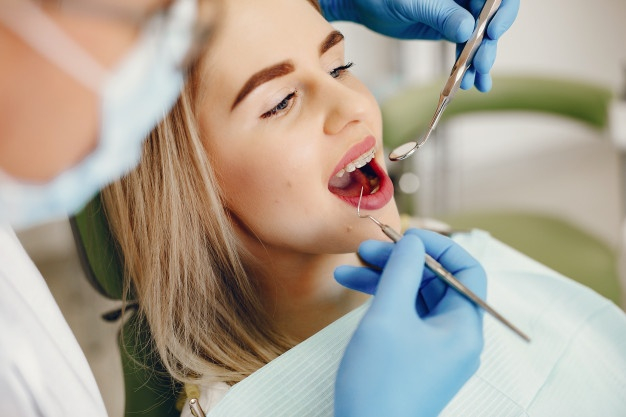
Your teeth carry you through every day. They help you speak, eat, and feel sure in how you face the world. Preventive dentistry protects that strength before problems start. You do not have to wait for pain. You can act early and avoid deep cavities, gum disease, and tooth loss. Regular cleanings, home care, and smart daily choices work together. Each visit builds on the last one. Small habits today protect you from big treatments later. This guide walks you through what preventive dentistry is, what to expect at visits, and how to care for your mouth at home. It also explains how food, stress, and common health issues affect your teeth. You will see simple steps you can start today. You can also visit suncreekdental.com to learn how a dental team can support your plan for strong, steady oral health.
What Preventive Dentistry Means For You
Preventive dentistry is care that keeps disease from starting. You protect your mouth instead of waiting for damage. You and your dentist work as a team. You handle daily care at home. Your dental team handles checkups, cleanings, and early treatment.
Preventive care has three main parts:
- Clean teeth and gums
- Strong tooth enamel
- Healthy habits that support your mouth
Each part matters. If one breaks, the others strain and fail. You then face pain, missed work or school, and high bills.
Why Early Care Saves Your Teeth And Money
Tooth decay and gum disease grow in silence. You often feel no pain until the damage is deep. At that point you may need fillings, crowns, or even extractions.
Early care changes that pattern. Your dentist finds small problems and treats them fast. You keep more of your natural tooth. You also avoid infection that can spread through your body.
The Centers for Disease Control and Prevention explains how common cavities are and how simple steps prevent them. You can read more at CDC Oral Health Fast Facts.
Home Care That Makes The Biggest Difference
You spend only a few hours a year in a dental chair. You spend hundreds of hours at home. That is where real prevention happens.
Focus on three daily steps.
1. Brush
- Brush twice a day
- Use a soft bristle brush and fluoride toothpaste
- Brush for two minutes each time
Use small circles along the gumline. Do not scrub hard. Gentle pressure cleans better and protects your gums.
2. Clean Between Teeth
- Use floss or another between tooth cleaner once a day
- Slide the floss along each tooth, under the gumline
- Use a new section of floss as you move
This step removes sticky film that brushing misses. If you skip it, you leave food and germs in the tight spots where decay starts.
3. Rinse Smart
- Use a fluoride mouth rinse if your dentist suggests it
- Swish for the full time on the label
- Avoid rinses with high alcohol content for children
Fluoride helps rebuild weak spots in enamel. It acts like armor for your teeth.
Food, Drink, And Everyday Choices
What you eat and drink changes your mouth all day. Sugar feeds the germs that cause decay. Acid from soda and sports drinks wears down enamel.
Use three simple rules.
- Limit sugary snacks and drinks between meals
- Drink water through the day, especially after snacks
- Choose whole fruits, vegetables, dairy, and lean protein
The National Institute of Dental and Craniofacial Research explains how sugar and acid damage teeth. You can see more detail at NIDCR Tooth Decay Information.
What To Expect At A Preventive Dental Visit
You should see a dentist at least every six months. Some people need visits more often. Your dentist will guide you.
A routine visit often includes three steps.
- Review of your health history and concerns
- Cleaning to remove plaque and tartar
- Exam to check teeth, gums, and mouth tissues
Your dentist may also use X rays to see decay between teeth or under fillings. You may receive fluoride treatment or sealants on chewing surfaces. Each step lowers your risk of pain and infection.
Fluoride And Sealants: Extra Shields For Teeth
Fluoride strengthens enamel. It works well for children and adults. Your dentist can paint a strong fluoride gel or varnish on your teeth. This takes only a few minutes.
Sealants are thin coatings on the back teeth. They block food and germs from the deep grooves where brushes cannot reach. Sealants protect children with new molars. They also help adults who have high risk of decay.
Common Preventive Treatments And What They Do
| Treatment | Main purpose | Who benefits most |
|---|---|---|
| Routine cleaning | Remove plaque and tartar from teeth and gums | Children, teens, adults, older adults |
| Fluoride treatment | Strengthen enamel and slow early decay | Children, people with frequent cavities, people with dry mouth |
| Dental sealants | Protect chewing surfaces from food and germs | Children with new molars, teens, high risk adults |
| Mouthguard | Protect teeth from sports injury or grinding | Children and adults in sports, people who grind at night |
Special Concerns For Children, Adults, And Older Adults
Children need early dental visits. You should schedule the first visit by the first birthday or when the first tooth comes in. Early visits teach good habits and catch problems with growth.
Adults face stress, smoking, alcohol use, and some medicines. These can dry the mouth and weaken teeth. You should tell your dentist about any health changes or new drugs.
Older adults may have gum disease, dry mouth, or trouble cleaning due to pain or weak grip. Simple tools such as electric brushes, floss holders, or water flossers can help. Your dentist can also check how dentures or bridges fit.
When To Call Your Dentist Right Away
Preventive care does not end pain on its own. You should call your dentist soon if you notice any of these signs.
- Tooth pain that lasts more than one day
- Gums that bleed often or feel sore
- Loose teeth in adults
- White or dark spots on teeth
- Sores in the mouth that do not heal within two weeks
Fast action can turn a small problem into a simple fix instead of a crisis.
Your Next Steps Today
You can start preventive dentistry now. Pick one habit to change today. You might brush for a full two minutes, floss tonight, or replace an old toothbrush. You can then schedule a dental checkup if you have not had one in the last six months.
Small steady moves protect your mouth, your comfort, and your budget. Your future self will thank you every time you eat, speak, and smile without fear.