A lot of companies used to treat emergency planning like a compliance task. Something that needed signatures, a few printed documents, maybe a drill once every few months, and that was enough to satisfy management. It usually wasn’t.
When an actual emergency happens, people rarely respond the way safety manuals expect them to. Someone panics. Someone freezes. Somebody wastes time trying to grab a bag or laptop before leaving. Most businesses underestimate how quickly communication goes down.
Over the past few years, this has grown more apparent, particularly when mishaps at work, extreme weather, widespread power outages, and security issues began to interfere with operations more regularly. As a result, companies now take emergency response preparation far more seriously than they did ten years ago.
Workplaces are still advised by OSHA to have defined evacuation protocols, emergency reporting systems, and employee communication strategies in case of emergencies. But the bigger shift now is practical planning instead of theoretical planning.
Fire Drills Are Getting Less Predictable
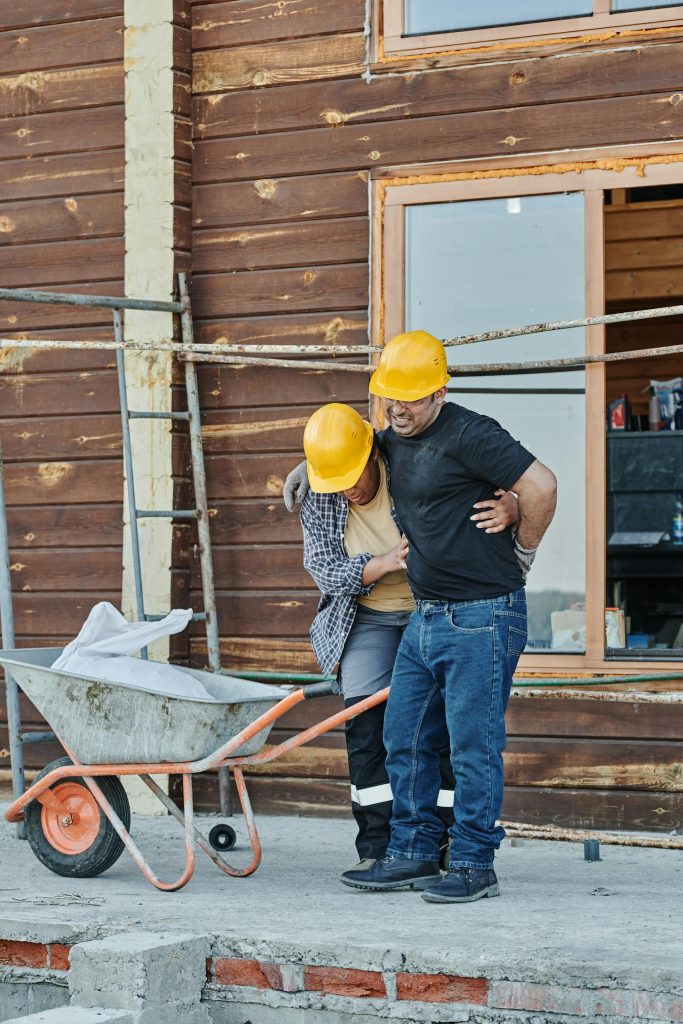
Traditional fire drills have a problem. Most employees already know they are coming. People walk out slowly. Some continue conversations while leaving. Others barely pay attention because there is no real urgency attached to the situation. Real emergencies do not work like that.
Smoke changes visibility almost immediately. Stairwells become crowded. Some exits suddenly become unusable. In larger buildings, confusion spreads very quickly once different groups start receiving different instructions. That is why many offices, warehouses, shopping centres, and factories are changing how they approach evacuation planning now.
Some businesses assign specific floor wardens. Others train small response teams responsible for checking washrooms, directing employees toward exits, or coordinating with emergency services outside the building.
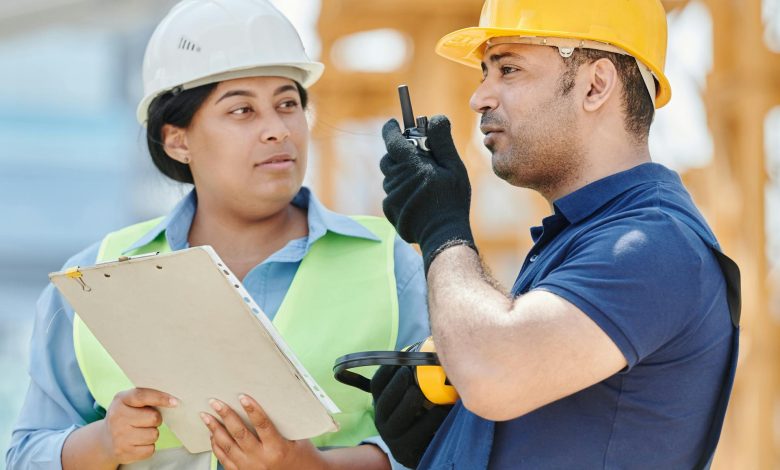
Communication has become a major focus, too. Mobile phones are useful until networks become overloaded or signals start dropping inside crowded buildings. In places like stadiums, industrial facilities, hotels, and event venues, many teams still rely on two way radios because communication stays immediate without needing mobile coverage or app connections. That sounds like a small detail until timing suddenly matters.
Earthquake Planning Looks Different Now
Earthquake preparedness has also changed quite a bit in recent years. Older safety plans mostly focused on evacuation routes. Now businesses are thinking more about what happens after the first few minutes.
Can employees still communicate if internet access goes down? Is backup power available? Are exits still usable? Does anyone know where emergency supplies are actually stored? Those are the kinds of problems companies are paying attention to now.
In earthquake-prone areas, businesses have started reviewing structural safety more often and creating separate procedures for communication failures, temporary shutdowns, and employee accountability after an incident. FEMA recommends preparing for at least 72 hours of operational disruption after major disasters.
A lot of organisations are realising how dependent daily operations have become on cloud systems and internet-based communication. When those systems fail at the same time, even basic coordination becomes difficult surprisingly fast.
Security Response Is Becoming More Realistic
Security planning has changed, too, especially in customer-facing industries. Retail stores, hotels, banks, logistics companies, and event venues are spending more time preparing employees for robbery situations, aggressive behaviour, or restricted-area breaches.
Years ago, many businesses handled this with a short presentation during on boarding and little else after that. Now there is more practical training involved. Employees are taught how to avoid escalating situations, how to move customers away from danger areas, and how to communicate clearly without creating additional panic.
Large venues, especially, have started focusing heavily on internal coordination because confusion between departments can slow response times badly during live incidents. Even small communication delays create problems when security teams, operations staff, and emergency responders are all trying to make decisions at the same time.
Better Emergency Planning Also Changes Workplace Culture
One thing companies underestimated for a long time was how much employees notice poor preparation. People can typically determine if emergency protocols are practical or merely for show.
Disorganised practices or drills, imprecise instructions, or bosses who are unfamiliar with the protocols cause employees to lose trust fast. The contrary is also true. When staff know exits are clear, procedures make sense, and communication stays organised during stressful situations, workplaces feel more stable overall. That matters more now because employees expect companies to take safety seriously, not just legally, but operationally too.
The businesses improving most in this area are usually not the ones buying the flashiest systems. Most are simply becoming better at preparation, faster at communication, and more realistic about how people actually behave during emergencies.