Introduction
A home is one of the most significant investments most people will ever make. While many homeowners focus on visible maintenance tasks such as painting, landscaping, or roof repairs, structural issues are often overlooked because they can develop gradually and remain hidden for long periods. Unfortunately, ignoring signs of structural damage can lead to serious consequences that impact both the safety and value of a property. From small foundation cracks to sagging floors and weakened support systems, structural problems rarely improve their own. Instead, they tend to worsen over time, creating larger and more expensive issues. Understanding the risks associated with neglected structural damage can help homeowners take proactive measures that protect their property and finances.
Increased Repair Costs Over Time
One of the most significant reasons to address structural damage quickly is that repair costs almost always increase as time passes. What may begin as a minor crack in a foundation, or a slightly uneven floor can develop into a much larger problem if left untreated. Structural damage often spreads to surrounding materials, affecting walls, floors, ceilings, and support systems.
As moisture enters through cracks or weakened areas, deterioration accelerates. Wooden components may begin to rot, metal supports can corrode, and concrete may continue to crack or shift. The longer these conditions persist, the more extensive the repairs become. Addressing a small issue early is typically far less expensive than undertaking a major structural restoration project after extensive damage has occurred.
Reduced Home Value and Marketability
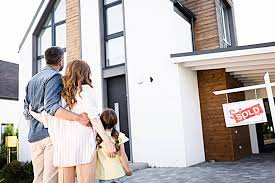
Structural issues can significantly affect a home’s value when it comes time to sell. Prospective buyers are often wary of properties with known structural concerns because they understand the potential costs and risks involved. Even minor signs of foundation settlement, wall cracks, or sagging floors can raise red flags during inspections.
Many buyers may request substantial price reductions or walk away from a purchase altogether if structural problems are discovered. Mortgage lenders can also be hesitant to approve financing for homes with significant structural deficiencies. By investing in timely repairs, homeowners can maintain the integrity and appeal of their property while preserving its market value. A well-maintained structure gives buyers more confidence and can help streamline future real estate transactions.
Safety Risks for Occupants
Structural damage isn’t just a financial concern—it can also pose serious safety hazards for everyone living in the home. A weakened foundation or compromised support system can affect the overall stability of a structure. Over time, damaged beams, joists, or load-bearing components may become less capable of supporting the weight of the building.
Uneven floors, sticking doors, widening cracks, and bowing walls can all indicate underlying structural concerns that should not be ignored. In severe cases, structural failures can result in collapses or significant property damage that puts occupants at risk. Seeking professional evaluations and repairs at the first sign of trouble helps ensure the home remains safe and secure for family members and guests.
For homeowners experiencing issues beneath their property, scheduling professional crawl space structural repair in charlotte can be an important step toward identifying and correcting hidden structural weaknesses before they become dangerous.
Higher Risk of Secondary Damage
Structural damage often triggers a chain reaction of additional problems throughout the home. For example, foundation movement can create gaps around windows and doors, allowing moisture and pests to enter. Plumbing lines may crack or shift when structures settle unevenly, resulting in leaks that cause water damage.
Electrical systems can also be affected by structural movement, creating potential fire hazards or service disruptions. Moisture intrusion associated with structural issues frequently leads to mold growth, wood rot, and declining indoor air quality. These secondary problems can be costly to repair and may require multiple contractors to resolve.
By addressing structural damage promptly, homeowners can prevent a variety of related issues that would otherwise increase overall repair expenses and create ongoing maintenance challenges.
Increased Insurance and Long-Term Financial Burdens
Many homeowners assume insurance will cover all damage-related expenses, but structural issues frequently fall into a gray area. Insurance policies often exclude damage caused by long-term neglect, gradual deterioration, or lack of maintenance. If a structural problem worsens because it was ignored, homeowners may find themselves responsible for the full cost of repairs.
Additionally, unresolved structural issues can lead to higher ongoing expenses. Energy efficiency may decline as cracks and gaps allow conditioned air to escape. Water intrusion can increase utility costs and contribute to further property deterioration. In extreme situations, neglected structural damage can even impact a homeowner’s ability to obtain favorable insurance coverage in the future.
Investing in timely inspections and repairs can help minimize financial risks while protecting one of a family’s most valuable assets from preventable losses.
Conclusion
Structural damage is not a problem that should be postponed or ignored. What starts as a minor concern can quickly evolve into a major expense that affects a home’s safety, value, and overall condition. Rising repair costs, reduced property value, occupant safety risks, secondary damage, and long-term financial burdens are all potential consequences of neglecting structural issues. By recognizing warning signs early and taking prompt action, homeowners can safeguard their investment, maintain a secure living environment, and avoid costly complications in the years ahead.