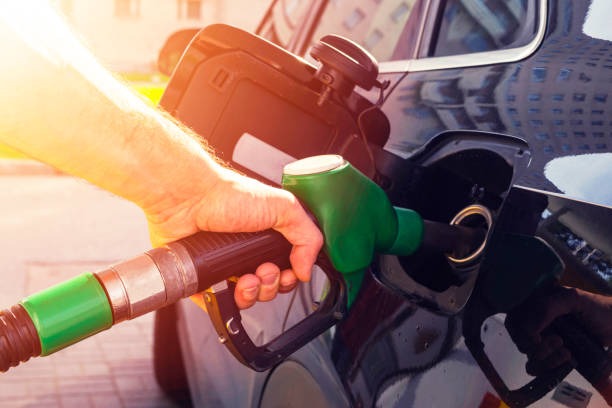
Diesel engines are widely used in vehicles, industrial machinery, and generators due to their efficiency and durability. One of the most critical components of a diesel engine is the fuel pump. The diesel fuel pump plays a central role in delivering fuel from the tank to the engine with precise pressure and timing. Understanding how diesel fuel pumps work is essential for anyone interested in diesel engines, whether for maintenance, repair, or general knowledge.
A diesel fuel pump is a crucial component in diesel engines, responsible for delivering the right amount of fuel at the correct pressure to the engine’s injectors. It ensures efficient combustion, smooth engine performance, and optimal fuel economy. In this guide, we’ll break down the components, functions, and working principles of diesel fuel pumps in a simple and easy-to-understand manner.
What Is a Diesel Fuel Pump?
A diesel fuel pump is a mechanical or electronic device that transfers diesel fuel from the fuel tank to the engine’s combustion chamber. It ensures that the fuel is delivered at the correct pressure and timing to achieve efficient combustion. The pump must work consistently and accurately, as improper fuel delivery can lead to poor engine performance, higher emissions, and potential damage.
There are different types of diesel fuel pumps, each designed for specific engine types and applications. The two main categories are mechanical fuel pumps and electronic (or common rail) fuel pumps.
Types of Diesel Fuel Pumps
1. Mechanical Fuel Pumps
Mechanical fuel pumps are traditional devices that rely on mechanical linkages and the engine’s motion to operate. They are typically found in older diesel engines and smaller vehicles. These pumps work in conjunction with a camshaft or lever system that drives a piston or diaphragm to create suction and push fuel through the system.
Key Features of Mechanical Fuel Pumps:
- Simple design with fewer electronic components
- Operates without external electrical input
- Suitable for low- to medium-pressure applications
2. Electronic or Common Rail Fuel Pumps
Modern diesel engines, especially in commercial vehicles and heavy machinery, use electronic fuel pumps. These pumps are part of the common rail system, where fuel is delivered to a high-pressure rail that supplies all fuel injectors. Electronic pumps use sensors and a control unit to regulate pressure and timing precisely, improving fuel efficiency and reducing emissions.
Key Features of Electronic Fuel Pumps:
- High-pressure fuel delivery (up to 2,000 bar in some systems)
- Precise fuel metering for each cylinder
- Controlled by an electronic control unit (ECU) for optimal performance
How Diesel Fuel Pumps Work
Fuel Suction and Delivery
The primary function of a diesel fuel pump is to draw fuel from the tank and deliver it to the engine. In mechanical pumps, the movement of a diaphragm or piston creates suction that pulls fuel through a filter and into the pump chamber. From there, the pump pushes fuel toward the engine at the required pressure.
In electronic fuel pumps, a motor-driven pump pressurizes the fuel and sends it to the common rail. Sensors monitor pressure and flow, and the ECU adjusts the pump speed to maintain consistent fuel delivery.
Maintaining Proper Pressure
Diesel engines require fuel to be delivered at a precise pressure for efficient combustion. Too low a pressure can lead to incomplete combustion, causing smoke, rough idling, or loss of power. Too high a pressure can damage fuel injectors or other components.
Mechanical pumps use spring-loaded valves or plungers to regulate pressure, while electronic pumps rely on high-precision sensors and electronic feedback systems. The ability to maintain proper pressure is one reason why electronic systems are preferred in modern engines.
Timing Fuel Injection
Fuel timing is critical for diesel engines. The fuel must be injected into the combustion chamber at the correct point in the engine cycle to achieve efficient combustion. Mechanical pumps use cam-driven pistons and timing gears to synchronize fuel delivery with the engine’s rotation.
Electronic pumps, connected to the ECU, can adjust injection timing dynamically based on engine load, speed, and other factors. This leads to better fuel economy, lower emissions, and smoother engine operation.
Components of a Diesel Fuel Pump
Understanding the key components helps explain how the pump works:
- Fuel Inlet: Draws fuel from the tank into the pump.
- Pump Chamber: Houses the piston or diaphragm responsible for pressurizing the fuel.
- Plunger or Piston: Moves to create pressure and push fuel to the engine.
- Delivery Valve: Controls the flow of fuel to prevent backflow and maintain pressure.
- Pressure Regulator: Ensures fuel is delivered at the correct pressure for the engine type.
- Sensors (Electronic Pumps): Monitor pressure, flow, and temperature to optimize performance.
Common Problems and Maintenance
Even though diesel fuel pumps are built to last, they can develop problems over time. Common issues include:
- Fuel Contamination: Dirt or water in the fuel can damage pump components. Using clean diesel and replacing filters regularly is essential.
- Wear and Tear: Mechanical parts like pistons and diaphragms can wear out, reducing efficiency.
- Leaks: Cracks in seals or gaskets can lead to fuel leaks and loss of pressure.
- Electrical Issues (Electronic Pumps): Faulty sensors or wiring can affect performance, triggering engine warning lights.
Maintenance Tips
- Replace fuel filters regularly to prevent contaminants from reaching the pump.
- Use high-quality diesel fuel to avoid deposits and corrosion.
- Periodically inspect hoses, seals, and connections for wear or leaks.
- For electronic pumps, follow manufacturer guidelines for calibration and diagnostics.
Advantages of Understanding Diesel Fuel Pumps
Knowing how diesel fuel pumps work can benefit engine owners and technicians in several ways:
- Better Troubleshooting: Understanding pump operation helps identify problems quickly.
- Improved Maintenance: Regular maintenance ensures longer pump life and prevents costly repairs.
- Enhanced Performance: Correct fuel pressure and timing lead to efficient combustion and engine performance.
- Cost Savings: Avoiding damage to fuel injectors or other engine components reduces repair costs.
Conclusion
Diesel fuel pumps are essential for delivering the right amount of fuel at the correct pressure and timing to diesel engines. Whether mechanical or electronic, the pump’s role in maintaining efficient engine operation cannot be overstated. From suction and delivery to pressure regulation and timing, every component of a diesel fuel pump works together to ensure smooth and reliable engine performance.
For beginners, understanding the basics of diesel fuel pumps helps with maintenance, troubleshooting, and informed decision-making when servicing or replacing components. Investing in proper care and timely maintenance ensures longevity, reliability, and optimal performance of diesel engines, whether in vehicles, generators, or industrial machinery.