Mastering Grime Removal for Large-Scale Manufacturing Environments
Mastering Grime Removal for Large-Scale Manufacturing Environments

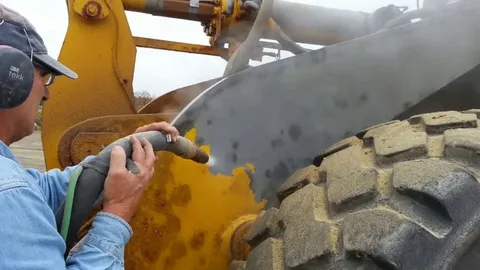
In large-scale manufacturing environments, cleanliness is far more than just a matter of appearance—it’s essential to ensure the smooth operation of machinery, the safety of workers, and the overall quality of the products being produced. Over time, grime, dirt, oil, and other residues accumulate in various parts of a plant, posing a challenge to both productivity and operational efficiency. Mastering grime removal is, therefore, a critical component of facility maintenance. This article explores the importance of grime removal in large-scale manufacturing environments and provides insights into the best practices, tools, and technologies for effective grime control.
The Importance of Grime Removal in Manufacturing
Grime in manufacturing plants is an inevitable byproduct of production processes. Whether it’s oil buildup on machinery, dust accumulation on assembly lines, or residue from raw materials, grime can have detrimental effects on both the operational performance and the longevity of manufacturing equipment. Here are some key reasons why mastering grime removal is critical:
1. Preventing Equipment Breakdown
Manufacturing machinery is often under constant use, subject to high-speed operations, friction, and heat. Over time, grease, oil, and dust can accumulate, leading to clogs, overheating, or mechanical failure. Even small amounts of grime can interfere with the delicate parts of machines, causing friction and wear that could lead to expensive repairs or unexpected downtime. Regular and thorough grime removal ensures that equipment operates efficiently, minimizing the risk of breakdowns.
2. Ensuring Worker Safety
Accumulated grime not only affects machinery but also poses safety risks to workers. Oil spills, dust, and slippery surfaces can lead to accidents, including slips, falls, or fires. Additionally, grime in the air can affect air quality, leading to respiratory issues among employees. Keeping a manufacturing environment clean helps mitigate these hazards, fostering a safer work environment that supports both health and productivity.
3. Maintaining Product Quality
In industries such as food production, pharmaceuticals, or electronics manufacturing, grime buildup can lead to contamination. Contaminants, whether microbial or particulate, can compromise the quality of the final product. A clean facility helps maintain stringent quality control and prevents defects, ensuring that products meet regulatory and customer standards.
4. Compliance with Regulatory Standards
Manufacturing plants, especially in sectors like food, medical devices, and pharmaceuticals, are subject to strict hygiene and cleanliness standards set by regulatory bodies. Failing to maintain a grime-free environment can result in violations, fines, or shutdowns. Regular grime removal and cleanliness maintenance not only help plants stay compliant but also reduce the risk of costly recalls or inspections.
The Challenges of Grime Removal in Large-Scale Manufacturing
While the benefits of grime removal are clear, tackling this task in a large-scale manufacturing environment comes with its own set of challenges. These include:
1. High Volume of Grime Accumulation
In large facilities, grime can accumulate rapidly across expansive areas, from production floors to machinery and ventilation systems. The sheer volume of dirt, dust, and grease makes it difficult to keep every surface spotless. Prioritizing the most critical areas for grime removal while implementing a systematic cleaning schedule is essential for maintaining optimal cleanliness.
2. Diverse Types of Grime
Different types of grime require different cleaning solutions. Grease and oil buildup on machinery are best removed using degreasers and solvents, while dust and particulate matter require regular sweeping or vacuuming. Similarly, biological contaminants like mold or bacteria require specialized cleaning agents. In large manufacturing facilities, it’s important to have a comprehensive cleaning strategy that can address various grime types efficiently.
3. Limited Time for Cleaning
Manufacturing plants often operate around the clock, with little downtime. This means that cleaning procedures must be performed without disrupting production. In high-output environments, cleaning staff must work swiftly and efficiently, sometimes performing their duties during off-hours or between production shifts.
4. Impact on Machinery and Equipment
Cleaning certain machinery and equipment can be challenging. Some parts are delicate, requiring careful handling, while others may be difficult to access or disassemble. Using the right cleaning equipment and following manufacturer guidelines is crucial to avoid damaging valuable machinery.
Best Practices for Mastering Grime Removal
To effectively manage grime in large-scale manufacturing environments, plants must employ a strategic approach that integrates the best tools, techniques, and technologies. Many facility managers find that partnering with specialized industrial cleaning services Detroit allows them to implement these high-level standards without diverting internal resources from production. Below are some best practices for mastering grime removal:
1. Implement Regular Cleaning Schedules
Establishing a regular cleaning schedule is essential for ensuring that grime buildup is kept under control. While some areas may require daily cleaning, others may only need periodic attention. A routine cleaning schedule will help prevent excessive grime accumulation and make the process more manageable. Scheduling cleaning tasks during off-peak production hours or during shifts can help minimize disruption.
2. Invest in Specialized Cleaning Equipment
Using the right tools for grime removal is crucial for efficiency and effectiveness. Some specialized equipment includes:
- Pressure Washers: Ideal for removing stubborn grime from surfaces and machinery.
- Vacuum Systems: Specialized vacuums can capture fine dust and particles from production floors, equipment, and air ducts.
- Industrial Degreasers: These heavy-duty cleaning agents are designed to break down grease and oil, making it easier to wipe away residue from machinery.
- UV-C Sterilizers: These devices can sanitize areas exposed to bacteria and mold, ensuring cleanliness in sensitive environments.
Investing in automated cleaning systems, such as robotic cleaners or conveyor belt scrubbers, can also increase cleaning efficiency and reduce manual labor.
3. Focus on High-Traffic Areas
Certain areas in a manufacturing plant will accumulate grime faster than others. Focused cleaning on high-traffic zones, such as entrances, production floors, and areas where machines are in constant motion, will yield the best results. Regular attention to these areas will prevent grime buildup from spreading throughout the facility.
4. Adopt Preventative Measures
In addition to removing grime, adopting preventative measures can help keep facilities cleaner for longer. For instance, installing air filtration systems, ensuring that employees wear protective clothing, and implementing dust control measures can minimize grime accumulation. Using mats or barriers at entry points can reduce the amount of dirt and debris brought into the plant.
5. Use Eco-Friendly Cleaning Solutions
Environmentally friendly cleaning solutions help maintain a safe workplace for employees and minimize environmental impact. Non-toxic degreasers, biodegradable cleaning agents, and water-based disinfectants can effectively remove grime without harming the environment or workers’ health.
6. Train Employees and Cleaning Staff
Employees should be trained on the importance of cleanliness and how to identify potential grime buildup in their workstations. Cleaning staff must be properly trained in the use of specialized cleaning equipment, safety protocols, and techniques for handling different types of grime. Ensuring that all staff members are knowledgeable and equipped will help maintain a cleaner environment and promote efficiency.
Conclusion
Mastering grime removal in large-scale manufacturing environments is a crucial component of maintaining a safe, efficient, and productive facility. Regular grime removal reduces equipment wear, prevents safety hazards, ensures product quality, and helps maintain regulatory compliance. By implementing a comprehensive cleaning strategy that includes the right tools, techniques, and schedules, manufacturers can maintain a pristine facility that supports operational excellence and long-term success.