Table of Contents
- Smart Home Integration
- Sustainable Designs
- Personalized Living Spaces
- Wellness-Focused Amenities
- Non-Urban Luxury Markets
- Biophilic and Nature-Inspired Design
- Emphasis on Privacy and Security
- Rise of Branded Residences
- Conclusion: The Architecture of Experience and Purpose
Modern luxury real estate is undergoing sweeping transformations influenced by advanced technology, changing buyer demographics, and the ever-growing demand for sustainability and wellness. From high-tech amenities to environmentally conscious designs, both buyers and industry professionals need to understand what sets today’s most sought-after properties apart from the rest. As the definition of luxury broadens, new features and locations are emerging as high priorities for affluent homeowners, making it critical to stay current with and anticipate future trends for smart investment decisions.
Whether you are a buyer, seller, or real estate advisor focused on exclusive markets like Sarasota Luxury Real Estate, recognizing these pivotal trends will help identify properties with enduring value and exceptional appeal. Today’s luxury homes are no longer defined by opulence alone, but by how seamlessly comfort, lifestyle, and innovative design blend together to craft unique living experiences.
Affluent buyers now seek more than just square footage or a waterfront view they seek individuality, spaces that prioritize health and wellness, and technology that delivers both convenience and security. This shift is driving the rapid adoption of smart-home technologies, eco-friendly building practices, and tranquil, non-urban retreats that harmonize with nature.
Understanding these changes will help current and prospective investors anticipate what features and amenities will command a premium as the market continues to evolve. Additionally, staying informed enables professionals to provide clients with the most relevant and sought-after options, ensuring long-term satisfaction and value.

Smart Home Integration
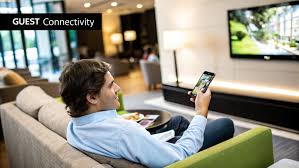
State-of-the-art technology now lies at the heart of modern luxury homes. Intelligent systems ranging from AI-powered personal assistants and integrated security suites to fully automated lighting, climate, and entertainment are increasingly considered must-have features. Homeowners expect seamless connectivity and control, even from remote locations. Industry analysis from Forbes emphasizes that smart home integration not only enhances convenience and safety but also boosts the desirability and long-term value of luxury properties.
Sustainable Designs
Energy-efficient architecture and sustainable living are now guiding principles for luxury real estate. Solar panels, high-performance windows, green roofs, low-emission interiors, and responsibly sourced materials are being incorporated into both new construction and renovations. Features such as geothermal heating and rainwater recycling further appeal to ecologically conscious buyers. According to the New York Times, luxury homes that secure certifications like LEED or ENERGY STAR not only reduce environmental impact but also command premium prices and sell faster
.Personalized Living Spaces
The modern luxury buyer expects their home to reflect their individual style and lifestyle needs. This trend manifests in fully customizable floor plans, bespoke furnishings, and flexible interior spaces that can serve as home offices, gyms, or entertainment lounges. From hand-crafted details to museum-quality art installations, each home is uniquely tailored. Builders and designers now offer modular layouts and interactive design platforms to allow homeowners to collaborate on their dream residence, ensuring both comfort and exclusivity.
Wellness-Focused Amenities
Well-being is a core element of luxury living. Private wellness facilities, such as full-scale fitness studios, meditation rooms, infrared saunas, and luxurious spa retreats, are becoming standard. Outdoor amenities, including yoga pavilions, cold-plunge pools, aromatherapy gardens, and expansive decks, transform the home into a personal sanctuary. Increasingly, high-end developments also offer access to curated wellness services and holistic health programs, highlighting a more holistic approach to luxury that values physical and mental health as much as material comforts.
Non-Urban Luxury Markets
There is a notable trend among high-net-worth buyers of shifting their focus away from crowded urban settings toward peaceful, scenic locations. Areas such as Aspen, Napa Valley, and the countryside beyond major metropolitan hubs have gained recognition for offering privacy, space, and natural beauty. These destinations provide a sense of escape, allowing residents to enjoy luxury without compromise. This migration has fueled unprecedented growth and demand in secondary and tertiary luxury markets, propelling values and spurring the development of high-end amenities in previously under-the-radar locales.
Biophilic and Nature-Inspired Design
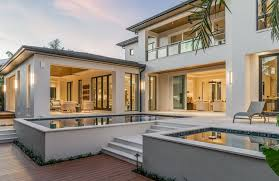
Biophilic design, which connects inhabitants with the natural environment, is a leading trend in both architecture and interior design. Floor-to-ceiling glass walls, indoor gardens, water elements, and seamless transitions between indoor and outdoor living spaces all support well-being and reduce stress. Nature-inspired palettes and textures, from living green walls to natural stone and untreated wood, infuse modern homes with a sense of tranquility. These elements help luxury homes feel both inviting and restorative, capitalizing on scientific evidence linking exposure to nature with improved health and productivity.
read more : https://mytecharm.org/
Emphasis on Privacy and Security
Privacy is a foundational aspect of luxury home design, with cutting-edge security measures now expected as industry standard. AI-enabled surveillance, biometric access, and advanced perimeter monitoring ensure peace of mind. Architectural elements such as soundproofing, secluded entrances, and gated driveways serve to create an exclusive living environment. Luxury homeowners place greater emphasis on discretion and safety, prioritizing homes that serve as truly personal sanctuaries.
Rise of Branded Residences
Properties partnered with world-renowned designers and luxury hospitality brands are becoming more prevalent in the luxury real estate market. These branded residences offer the allure of recognizable, prestigious names along with five-star amenities such as concierge services, private clubs, and bespoke resident experiences. The result is a blend of home ownership with the pampered lifestyle of luxury hotels, elevating demand and distinguishing these properties from their non-branded competitors.
Luxury real estate’s ongoing transformation is defined by a sophisticated mix of innovation, sustainability, personalization, and well-being. As technology continues to advance and buyer expectations rise, staying attuned to these trends is essential for investors and professionals alike. The market’s evolution ensures that tomorrow’s most valuable properties will be those that deliver extraordinary lifestyle experiences, anticipate future needs, and leave a lasting, positive impact on residents and the world around them.
Conclusion: The Architecture of Experience and Purpose
The 2026 luxury real estate market marks the definitive end of “luxury by volume.” As we have navigated through these shifting tides, it is clear that the modern affluent buyer is no longer seeking a trophy home but a high-performance ecosystem that acts as a partner in their physical and mental well-being. From the rise of branded residences, which offer the liquid security of a global name alongside five-star service, to biophilic designs that dissolve the boundaries between architecture and the natural world, today’s most valuable properties are those that offer a profound sense of sanctuary and intentionality.
Ultimately, the future of the luxury market belongs to those who embrace “Quiet Function” over “Loud Opulence.” Features like AI-driven oxygenation systems in mountain retreats, discrete smart technology that preserves aesthetic integrity, and carbon-neutral building practices are the new status symbols of 2026. For investors and homeowners alike, success lies in recognizing that value is now a metric of lifestyle quality. By prioritizing privacy, sustainability, and holistic wellness, you aren’t just acquiring a property; you are securing a resilient asset designed to thrive in a world that increasingly values time, health, and a deep connection to the environment.